Environmental risk of clinical selective serotonin reuptake inhibitors (SSRIs): Toxic effects of sertraline and fluoxetine on the freshwater fish
DOI:
https://doi.org/10.5530/ddd.2.2.8Keywords:
Serotonin reuptake inhibitors, Freshwater fish, Toxicity, Protein alterationAbstract
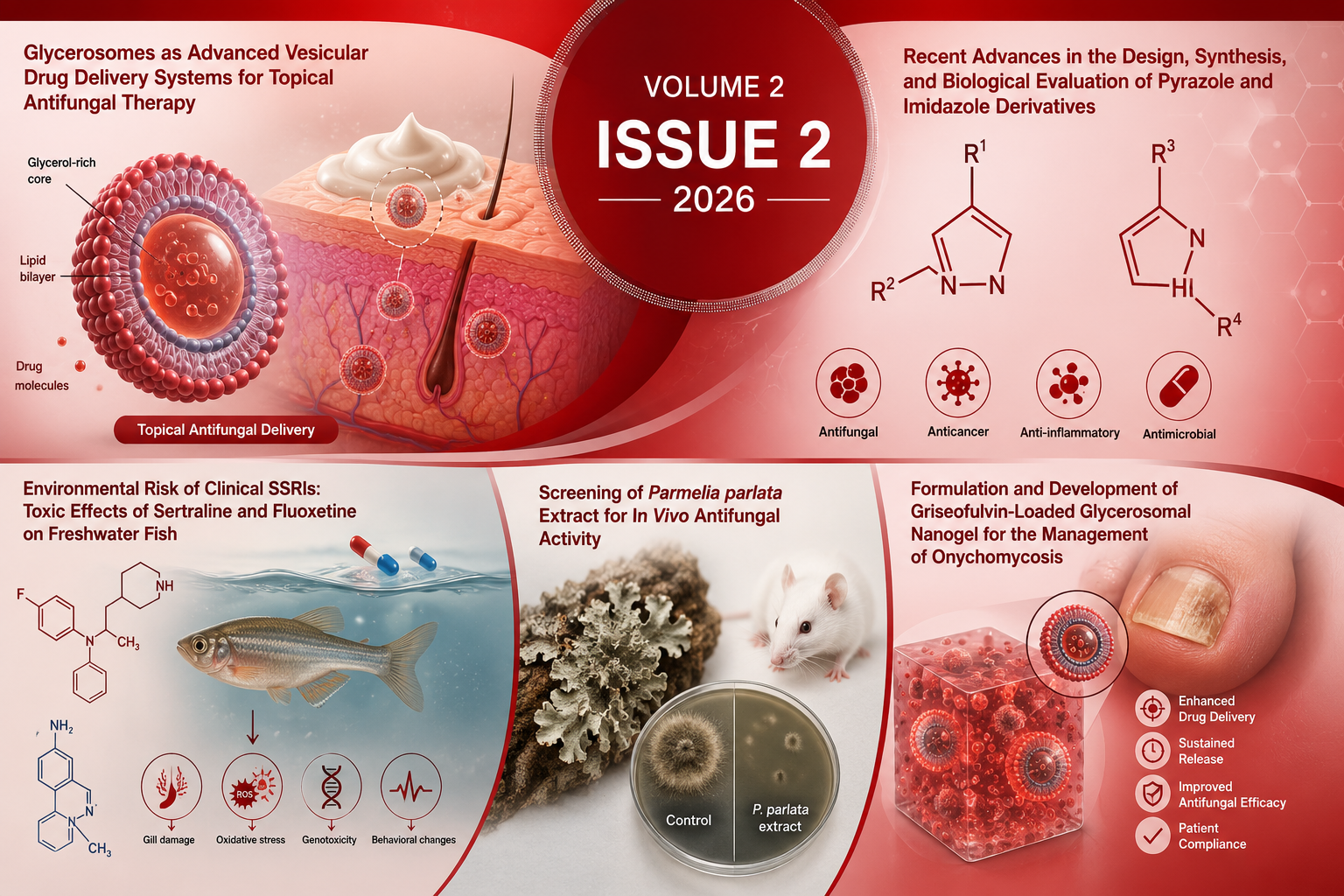
Selective serotonin reuptake inhibitors (SSRIs), in particular, are antidepressants that are among the most often prescribed medications in the world. Sertraline and fluoxetine are the most often used for treating anxiety disorders, depression, and other mental health issues. In aquatic settings, Sertraline and fluoxetine are noticeably emerging as pollutants. Particularly to non - target creatures like fish, which are extremely sensitive to neuroactive substances, these pharmaceutical leftovers provide new ecological hazards. This study evaluated the effects of Sertraline and fluoxetine on the freshwater catfish species Clarias batrachus. Following a week of dosage, the fish’s behavioral reactions and metabolic characteristics were closely examined. The fish displayed irregular and agitated swimming, cornering behavior, and a total lack of splashing or surface behavior. Additionally, opercula movement, decreased dramatically. Significant physiological abnormalities were also noted, as shown by fluctuation in the concentration of total protein in several important organs, in addition to behavioral alterations. Protein depletion is frequently linked to decreased development, compromised organ function, and general physiological discomfort.
Downloads